Oak, Ash, or Walnut? How to Choose the Right Wood for Your Home
When you’re choosing a handmade piece of furniture, the wood you select shapes everything — from its look and feel to how it ages over time. Each timber has its own character, and part of the joy of commissioning or buying a handmade piece is finding the right one for your home.
I work mainly with oak, ash, and walnut, three beautiful hardwoods that each bring something different to a design. Here’s a closer look at what makes each of them special.
Oak – Timeless and Characterful
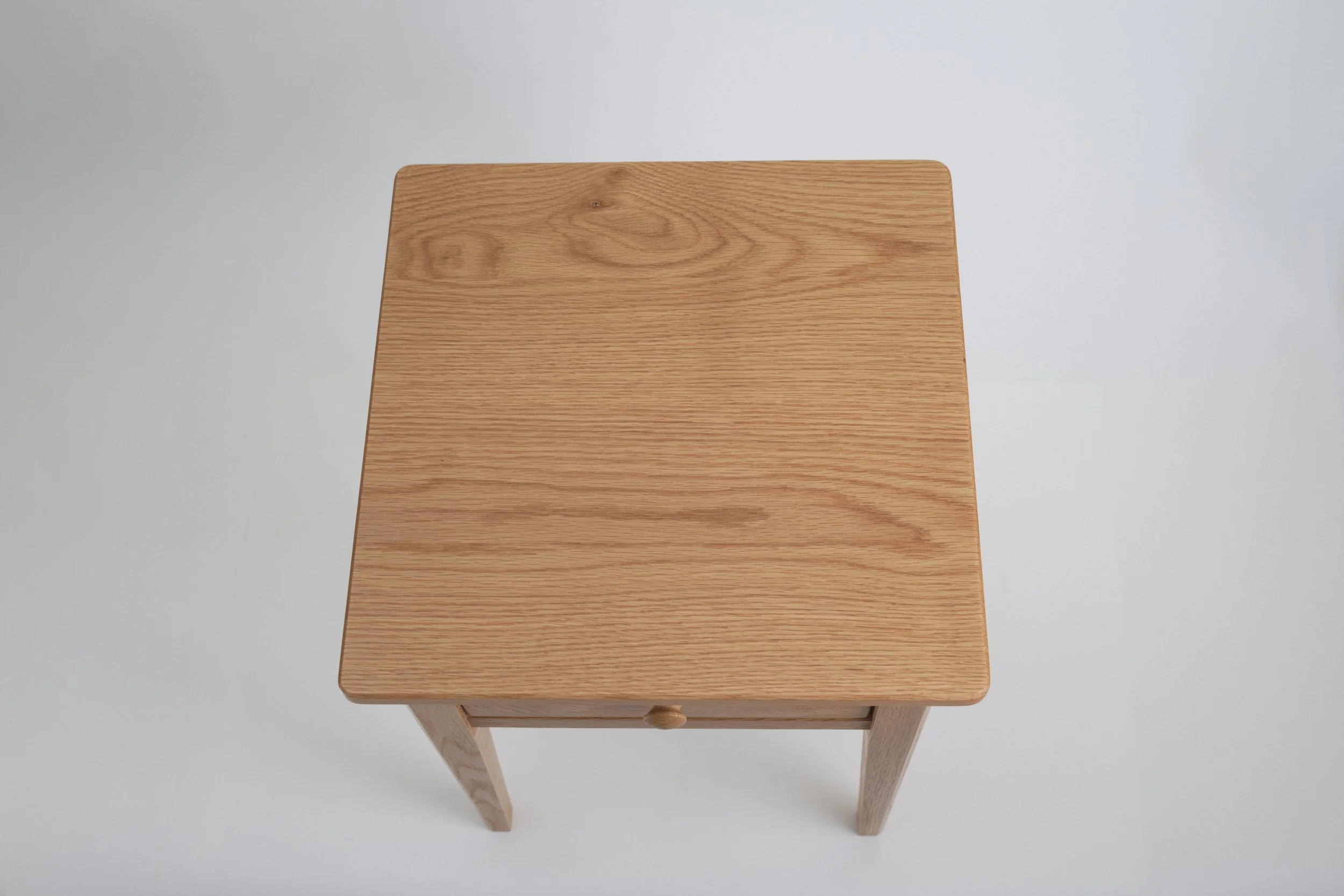
Oak has long been the backbone of British furniture making. It’s incredibly strong, with a visible grain pattern that gives each piece a sense of depth and texture.
When finished with Danish oil, oak develops a warm golden tone that suits both traditional and modern interiors. It’s a versatile timber — equally at home in a clean Scandinavian-style kitchen or a more rustic space.
Why choose oak:
Strong and durable for everyday use
Classic grain and warm colour
Ages beautifully, developing a rich patina over time
Oak is the wood I most often use for bar stools and side tables, as it offers a perfect balance of strength and warmth.
Ash – Light, Bright, and Subtle
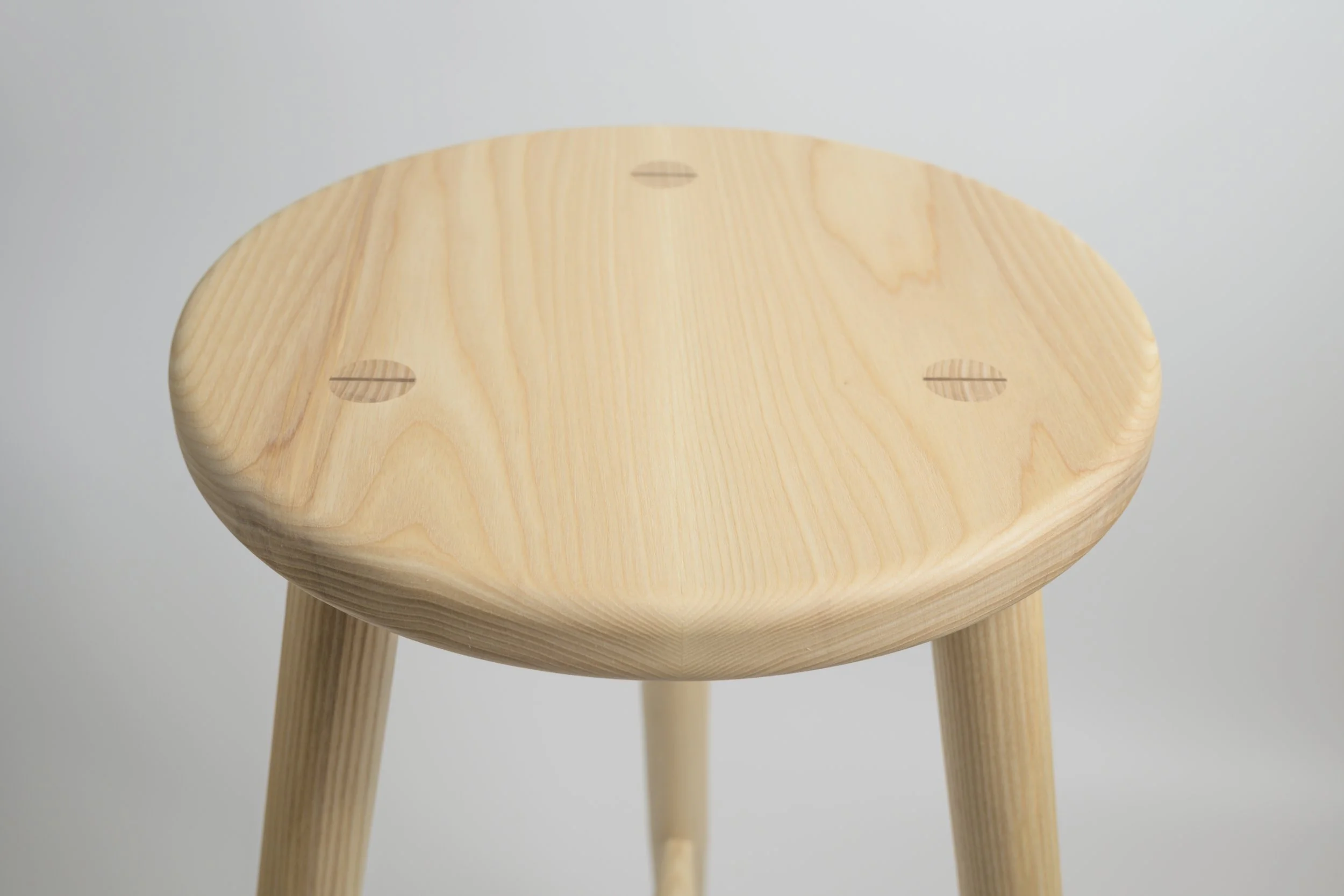
Ash is slightly lighter in colour, with a pale, almost creamy tone and a distinctive wide grain. It’s a favourite for those who like the clarity of a lighter interior or Scandinavian-inspired spaces.
It’s also a resilient hardwood — slightly springier than oak — which makes it perfect for chair and stool legs. When paired with a simple design, ash can make a room feel brighter and more open.
Why choose ash:
Light and airy colour
Clean, even grain with subtle movement
Ideal for modern, minimal interiors
Ash works beautifully when you want to highlight shape and proportion — for example, in a three-legged stool or a Danish cord seat where the light wood complements the weave.
Walnut – Rich, Refined, and Sophisticated
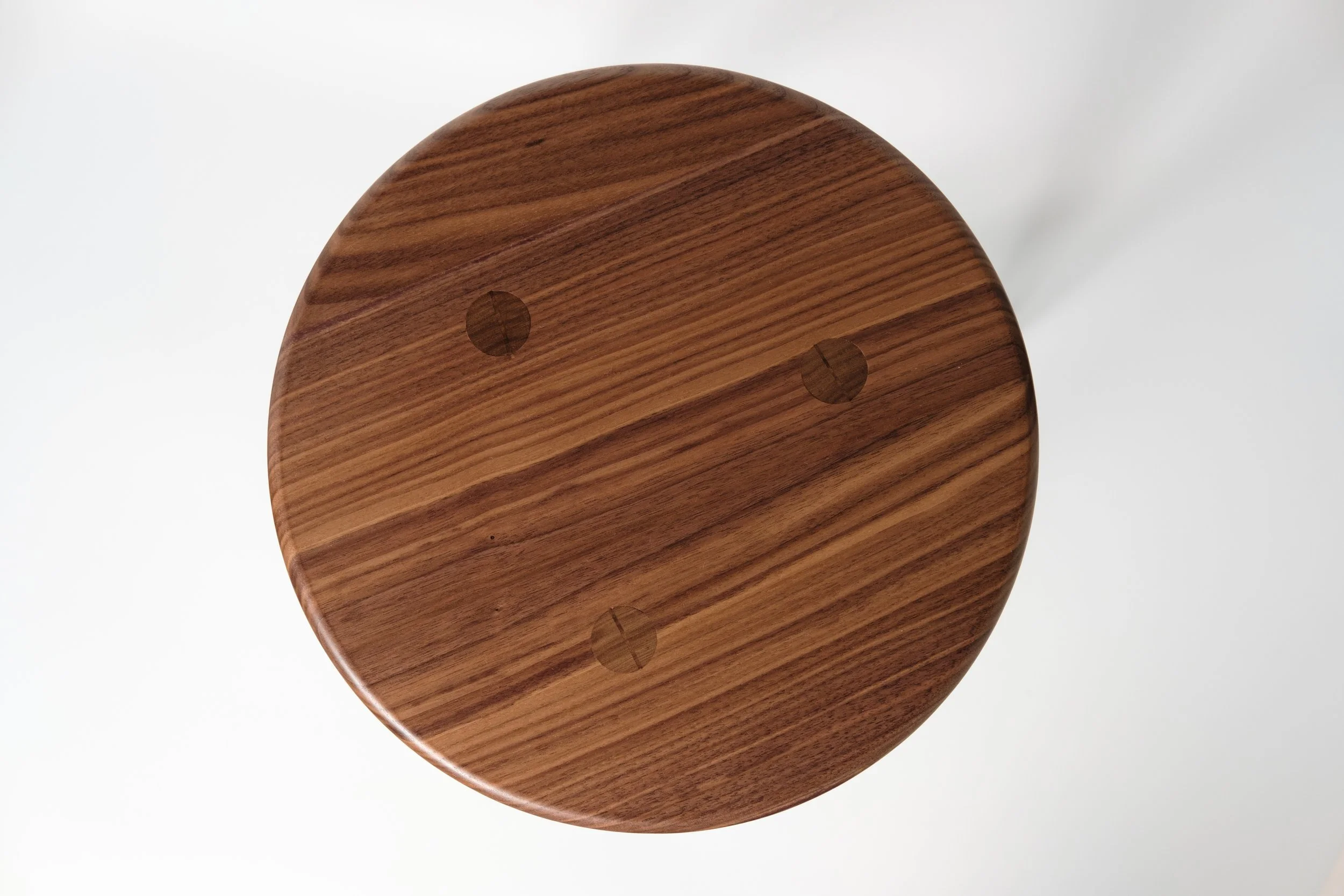
Walnut is often considered the most luxurious of the three. With deep chocolate tones and occasional lighter streaks, it brings a real sense of depth and richness to a space. It’s also my personal favourite!
It’s a slightly softer hardwood than oak, but still very durable. The contrast between the darker tones and the satin sheen of Danish oil gives it a tactile, elegant finish.
Why choose walnut:
Deep, rich colour and striking grain
Smooth texture and natural elegance
Works beautifully in contrast with lighter interiors
Walnut tends to suit rooms with softer lighting, where its tone adds warmth and refinement. I also love to use walnut wedges in oak joinery — the subtle contrast highlights the handmade detail.
How to Choose
Choosing between oak, ash, and walnut often comes down to the atmosphere you want to create.
For warmth and timeless appeal, choose oak.
For brightness and simplicity, go with ash.
For richness and contrast, walnut is the one.
If you’re unsure, I’m always happy to offer guidance or send photos of the same design in different woods. Seeing the differences side by side can make the choice easier.
Built to Last
No matter which wood you choose, each piece I make is built using traditional joinery and hand-applied finishes to highlight the material’s natural character. Solid wood furniture only gets better with time — the grain deepens, the surface softens, and each mark tells part of its story.
Whether it’s a stool, side table, or bench, choosing the right timber means creating something that not only fits your home but becomes part of it.